01
Scripts break
Recurring web-data projects often stall when ownership sits with internal scripts that break after layout changes, anti-bot updates, or schema drift.
Managed Web Data Extraction
Nenodata’s Fully Managed Web Scraping Services turn agreed public websites into structured datasets your team can use—covering source review, field extraction, cleaning, validation, monitoring, and delivery into files, APIs, databases, CRM, or warehouse workflows.
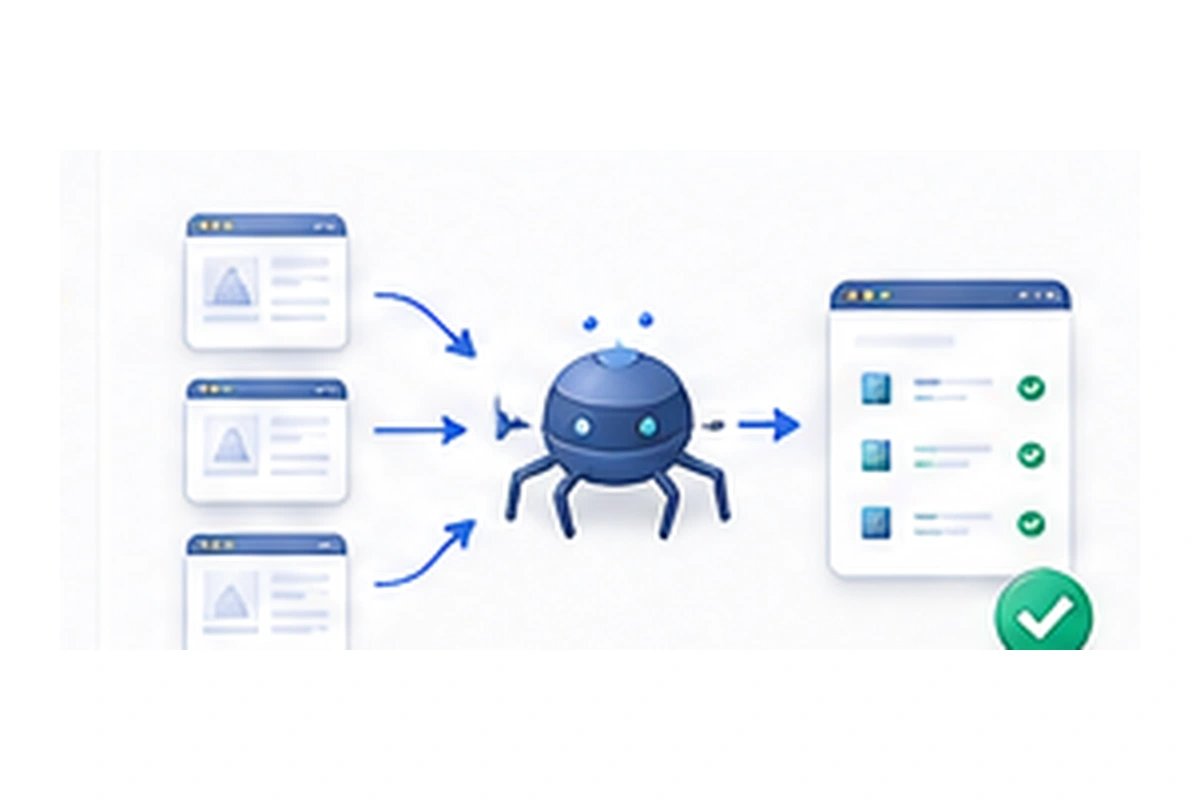
The Problem
Recurring web-data projects often stall when ownership sits with internal scripts that break after layout changes, anti-bot updates, or schema drift.
Teams then spend cycles repairing collectors, reconciling incomplete fields, and explaining gaps instead of using the dataset.
A managed web scraping engagement keeps source review, extraction, validation, and delivery under one operating model so the business receives usable records rather than unfinished crawls.
Ownership model
Before · DIY
After · Managed
The Service
Nenodata reviews your target public sources, required fields, volume, refresh cadence, validation rules, and delivery destinations before production collection starts.
A typical engagement covers extraction, cleaning, normalization, validation, exception reporting, monitoring, and maintenance for the sources and fields in scope.
Responsible Source Scope
Private, login-protected, restricted, or inappropriately sensitive sources stay out of scope unless separately authorized. For page discovery across approved domains before field extraction, see enterprise web crawling.Project Scope
Target public sources
Required fields
Volume & cadence
Validation rules
Exception reporting
Monitoring & maintenance
Delivery destinations
Workflow stages
Service Fit
This page is the pillar for fully managed web scraping. Use the options below when your team needs a different ownership model.
Best for: Teams that want an agreed dataset without owning scrapers
You still own: Use-case approval, schema priorities, and downstream analysis
This serviceBest for: Engineering teams that want programmatic access inside their apps
You still own: Orchestration, retries, and application-side schema logic
Web scraping APIBest for: Hosted collection workflows with managed infrastructure
You still own: Source rules, monitoring preferences, and delivery setup
Cloud-hosted scrapingBest for: Internal scrapers for stable, low-volume sources
You still own: Build, proxies, anti-bot handling, QA, and uptime
Web scraping toolsSample Output
Below is an anonymized marketplace product record shaped the way revenue and catalog teams typically receive managed delivery. Exact fields are locked in the project schema.
| Field | Example | Purpose |
|---|---|---|
| record_id | mkt_us_884201 | Stable internal identifier for joins and refreshes |
| source_url | https://retailer.example/p/884201 | Trace the observation back to the source page |
| title | Stainless Steel Mixing Bowl Set, 3-Piece | Primary listing title for catalog matching |
| price | 24.99 | Observed list price for pricing workflows |
| currency | USD | Normalize currency for multi-market analysis |
| availability | in_stock | Stock signal for assortment and alerts |
| category_path | Home > Kitchen > Bakeware | Map taxonomy into your internal hierarchy |
| seller_name | KitchenSupply Co | Seller context for marketplace monitoring |
| collected_at | 2026-08-08T14:22:11Z | Collection timestamp for freshness and audit |
| content_hash | a3f9c2… | Detect unchanged vs updated records between runs |
| validation_status | passed | Result of required-field and format checks |
Marketplace record
Outcomes
Short anonymized examples of how managed extraction shows up in day-to-day operations.
A retail pricing team needed daily competitor prices and stock signals from agreed marketplace pages. Nenodata delivered a normalized CSV/API feed with price, currency, availability, seller, and collection timestamp fields for their BI models.
A proptech research group needed asking rents and listing attributes from approved public listing sites. The managed feed preserved source URLs and observation times so analysts could reconcile changes without maintaining site-specific scrapers.
Deliverables
Records delivered in an agreed schema instead of unfinished page dumps.
Field formatting and naming follow the rules defined during scoping.
Required-field failures and unresolved cases stay visible for review.
Cadence is scoped to the project, from one-time extracts to scheduled feeds.
Source and pipeline maintenance continue for the sources included in scope.
Outputs can target files, APIs, webhooks, databases, CRM, or warehouse workflows.
Applications
Structure product titles, categories, attributes, seller information, and availability from agreed marketplace sources for assortment research and catalog operations.
Ecommerce data servicesCollect competitor price, promotion, and availability fields from agreed retail or marketplace sources for pricing review workflows.
Price intelligenceDeliver listing descriptions, locations, property attributes, asking values, availability, and observation timestamps from approved public real-estate sources.
US real estate data scrapingStructure job titles, locations, skills, and posting changes from agreed public job sources for hiring-market and workforce research.
Job data scrapingConsolidate titles, source links, publication details, categories, and timestamps from approved public content sources for monitoring workflows.
Review and social dataCollect approved directory fields across public sources with duplicate-handling rules for market mapping and territory planning.
Business directory extractionNormalize records from websites with different layouts and update cycles into one project schema for analysis or integration.
Custom data pipelinesRun recurring observation of approved public pages with fields, timestamps, and delivery destinations that stay reviewable over time.
Enterprise web crawlingAudience
This service fits operations, analytics, ecommerce, research, product, and data teams that need recurring structured web data without owning brittle internal scrapers.
Choose a web scraping API or DIY tools instead when your engineers want to own orchestration end to end. This managed service is not a fit for private, login-protected, restricted, or inappropriately sensitive sources.
Managed service
Recurring structured web data without owning brittle internal scrapers.
API / DIY
Choose a web scraping API or DIY tools when engineers own orchestration end to end.
Process
Four-stage web data workflow from requirements and extraction to transformation, delivery, and ongoing monitoring.
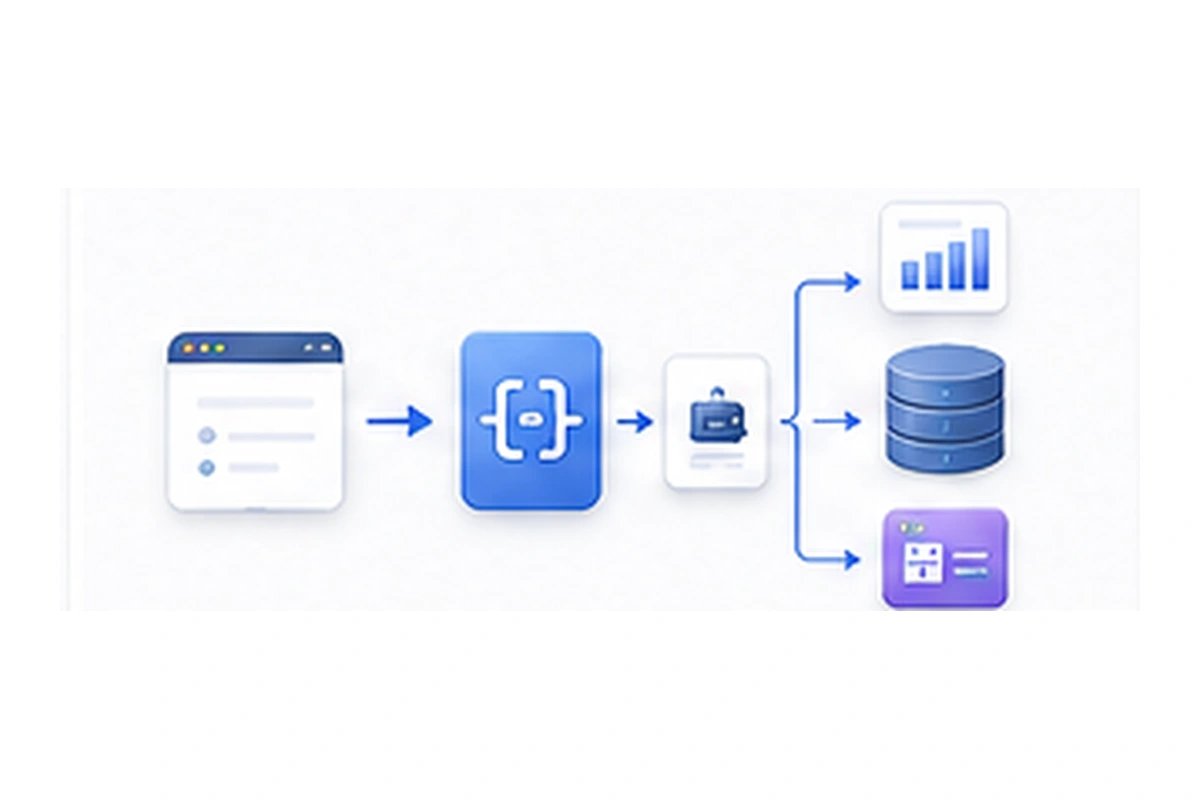
Connect
Define sources, fields, volume, cadence, validation rules, and delivery destinations before build begins.
Extract
Collect agreed fields from the scoped sources using a source-specific extraction approach.
Transform
Clean, normalize, and validate records against the project schema, with exceptions flagged for review.
Deliver
Deliver structured outputs into the agreed file, API, webhook, database, CRM, or warehouse destination.
Monitoring & maintenance
Monitoring and maintenance continue across extract, transform, and deliver stages for sources in scope, so layout and field changes can be reviewed without assuming automatic repair after every site change.See the broader extraction and delivery process.
Why Nenodata
Nenodata runs the recurring extraction workflow so source changes and maintenance do not stay buried in internal scripts.
Output fields are mapped to the schema your analysis, product, or operations workflow needs.
Source access, volume, frequency, and destination fit are reviewed before production collection begins.
Validation and exception visibility follow the rules defined for the engagement rather than generic cleanup.
Outputs are shaped for the destinations and transfer methods already used by your team.
Projects stay within approved public sources and exclude private, restricted, or inappropriately sensitive targets.
Outputs
Structured web dataset delivered to files, APIs, databases, CRM, and warehouse systems.
Formats
Destinations
Formats and destinations are confirmed during scoping for each engagement.
Related services
FAQ
Next Step
Share the sources, fields, volume, cadence, and destination you need so Nenodata can review a managed extraction workflow.
Include sample URLs or page types, required fields, geography if relevant, one-time or recurring needs, and preferred delivery format.
What to share
Tell us what you need. We'll build a custom scraping solution and deliver a free proof-of-concept within 48 hours.